Cancer care changes a person’s calendar, physiology, and often their sense of self. The days fill with scans, infusions, rides to appointments, and well-meaning advice from every direction. What many people need is a single, coherent plan that respects the medical realities while making space for the human experience. That is the territory of holistic integrative oncology. It blends conventional treatment with evidence based integrative oncology therapies that target symptoms, strengthen resilience, and help people feel like participants rather than passengers in their care.
I have sat with patients whose chemo chair felt like a second home, and with survivors who said the bell-ringing ceremony felt more like a pivot than an ending. The most successful journeys were not driven by a single miracle therapy. They were built on an integrative oncology approach that matched medical intent with practical support, day by day, across the body, mind, and spirit.
What integrative oncology actually means
Integrative oncology is not a substitute for standard cancer treatment. New York cancer wellness programs It is an approach that uses evidence based integrative oncology practices alongside surgery, chemotherapy, radiation, immunotherapy, and targeted therapies. The goal is not to promise cures. The goal is to improve quality of life, reduce side effects, support adherence, and in some contexts influence clinical outcomes such as treatment tolerance or functional status. A qualified integrative oncology doctor or integrative oncology specialist coordinates with the oncology team so that complementary therapies enhance, rather than interfere with, the medical plan.
At a well-run integrative oncology clinic, you will see medical oncologists, nurses, dietitians trained in oncology nutrition, physical therapists, psychologists, and integrative oncology practitioners with expertise in acupuncture, mind body medicine, and sometimes carefully selected herbal medicine. This interprofessional structure allows a patient to receive conventional treatment while engaging integrative oncology services that address specific symptoms and goals. The result is an integrative oncology care plan that is individualized and dynamic, not a static menu of add-ons.
The first visit: building a real integrative oncology care plan
An integrative oncology consultation typically takes longer than a standard office visit. We review the cancer type and stage, current integrative cancer treatment, lab trends, medications, supplements, diet, sleep, stressors, spiritual resources, and social context. The most important part happens when the patient names what matters most. For one person, it is walking their child into kindergarten without wincing from neuropathy. For another, it is maintaining enough energy to work three days a week. These priorities help the team assemble an integrative oncology treatment plan with concrete targets: nausea control within 48 hours of each infusion, a three-point decrease in anxiety scores, preservation of lean mass, or reduction in mucositis severity during radiation.
Good plans evolve. They are revisited at each cycle and again during survivorship. If an integrative oncology therapy is not delivering measurable value, we change it. If scan findings require a pivot, we reassess risk and potential interactions before adding any new integrative cancer therapy.
Body: symptom management and functional resilience
Cancer treatment brings predictable patterns of symptoms. While individual mileage varies, we routinely see nausea, mucositis, constipation or diarrhea, fatigue, neuropathy, sleep disruption, anxiety, and deconditioning. Integrative oncology symptom management aims to prevent problems when possible and to address them quickly when they emerge. The tools are practical and evidence informed.
Acupuncture is a staple. In my practice, weekly sessions starting several days before a chemotherapy cycle often reduce nausea and improve appetite in the first post-infusion week. For peripheral neuropathy, electroacupuncture shows promising data in reducing severity and improving function. Not every patient responds, but enough do that I discuss it early, especially for regimens known to cause neuropathy.
Nutrition therapy is more than handing out a pamphlet. An integrative oncology and nutrition visit evaluates calorie needs, protein goals, hydration, micronutrient risks, and food tolerances. I keep it concrete. For a 70-kilogram patient, I often set protein at 1.2 to 1.5 grams per kilogram per day during active treatment, adjusted for kidney or liver function. We track weight trends weekly. If intake drops despite targeted strategies, we escalate early with oral nutrition supplements or consider short-term enteral support. The point is to protect muscle, not just weight.
Exercise prescriptions are individualized. A patient in radiation for head and neck cancer will not follow the same plan as someone on adjuvant endocrine therapy. But nearly everyone benefits from a combination of gentle aerobic training and resistance work. A simple start, such as a 10-minute walk twice daily with two days of light band exercises, can prevent deconditioning. When safe, we progress to 150 minutes per week of moderate activity with 2 to 3 days of strength training. Coordination with physical therapy helps when fatigue, pain, or balance issues are significant.
For nausea, I combine standard antiemetics with ginger capsules or tea, acupressure bands on the P6 point, and behavioral approaches like paced breathing. Mucositis needs an early and consistent plan: bland rinses, oral hygiene protocols, cryotherapy with certain chemotherapy regimens when appropriate, and topical agents selected by the care team. Constipation from antiemetics or opioids is addressed before it happens with fiber management, magnesium citrate or polyethylene glycol as appropriate, and hydration targets.
" width="560" height="315" style="border: none;" allowfullscreen="" >
IV therapy attracts interest in integrative oncology IV therapy circles. My rule of thumb is simple: safety and evidence first. IV vitamin C is sometimes requested. I review the data, potential risks such as oxalate nephropathy, and drug interactions. If a patient chooses to use it, it must be coordinated with their oncologist, renal function monitored, and timed away from certain chemotherapies. For most patients, the biggest wins from IV therapy are plain hydration infusions after chemotherapy to reduce fatigue, lightheadedness, and renal strain.
Herbal medicine occupies a careful lane. A trained integrative oncology practitioner with pharmacology knowledge should screen every botanical for interactions and bleeding risk, especially around surgery and cytotoxic therapy. Milk thistle for hepatic support, ginger for nausea, and turmeric for inflammatory symptoms come up frequently. Evidence quality varies, dosing matters, and the absence of standardization across products is a real problem. I favor single ingredient, third-party tested products, and I stop anything that increases side effects or collides with the primary regimen.
Mind: stress physiology and emotional steadiness
Anxiety, insomnia, and ruminative worry can magnify physical symptoms and erode coping capacity. Integrative oncology and lifestyle medicine use mind body techniques to shift physiology in the patient’s favor. This is not about positive thinking. It is about training the nervous system.
I teach paced breathing because it is reliable, portable, and free. Six breaths per minute, five minutes at a time, two or three times daily, can reduce sympathetic drive and improve heart rate variability. For a patient who needs structure, we use brief audio guides or an app vetted for privacy. Mindfulness-based stress reduction, when available, can reduce distress and improve sleep, though attendance depends on energy and schedule during treatment cycles.
Cognitive behavioral strategies help patients challenge thought spirals. A patient once described waking every night at 2 a.m. with catastrophic predictions. We gave that experience a name, then practiced a short script: acknowledge the thought, label it as a thought, return attention to sensation and breath, and if needed, use a prepared recording. Within two weeks, her awakenings decreased from nightly to twice a week.
For some, spiritual care is central. Chaplaincy, faith community engagement, or reflective practices provide meaning and coherence. In a practical sense, these supports can improve adherence and resilience during difficult sequences such as combined chemoradiation. Integrative oncology wellness is not a soft add-on, it is an investment in the physiology of coping.
Spirit: identity, values, and the arc of healing
Healing in integrative holistic oncology includes accepting help, setting boundaries, and reconnecting to values. During treatment, the calendar dictates life. After treatment, the silence can be jarring. Many patients feel pressure to “bounce back,” yet fatigue lingers and scans still loom. An integrative oncology survivorship program honors this arc. It offers a space to ask, Who am I now, and what does wellness mean to me?
In survivorship care, we move from crisis management to prevention and maintenance. Lifestyle measures are tailored to the person’s history and risk profile, not a generic checklist. We revisit long term side effects such as cardiotoxicity risk, lymphedema, sexual health changes, cognitive fog, and persistent anxiety. We set a schedule for surveillance imaging and labs in alignment with guidelines, then wrap supportive care around that schedule to reduce anticipatory stress.
Making sense of supplements without getting lost
The supplement aisle can be a thicket. I ask patients to bring everything they take to the integrative oncology consultation. We list each item with dose and brand, then we clean house. If a supplement lacks a clear purpose, has interaction risks, or duplicates nutrient intake from diet or prescription, it goes. If something is useful, we choose a reputable product and define a start and stop date.
Vitamin D deserves attention because deficiency is common and repletion is straightforward. I generally target serum 25-hydroxyvitamin D in the 30 to 50 ng/mL range unless a specific clinical scenario suggests otherwise. Higher is not always better. Omega-3 fatty acids may help with joint pain in patients on aromatase inhibitors and can support triglyceride management. Probiotics are trickier. For immunocompromised patients, especially those with central lines, we avoid live microorganism products. Dietary prebiotics from fiber often achieve similar aims without risk.
Curcumin, medicinal mushrooms, and green tea extracts come up frequently in integrative oncology and supplements discussions. Each has plausible mechanisms and some supportive data for symptom outcomes, but quality varies and interactions are possible. EGCG can interact with bortezomib. Curcumin can affect platelet function. Mushrooms may modulate immune activity, which might be unwanted during certain immunotherapies. That is why integrative oncology medicine lives or dies on coordination. The integrative oncology doctor and the medical oncologist have to talk.
Food as therapy, not dogma
Patients often ask for an integrative oncology diet plan, hoping for certainty. There is no single anticancer diet that fits every person, diagnosis, and treatment. What we do have are core principles that can be adapted to taste and culture. Emphasize plants, prioritize protein adequacy, choose minimally processed foods, and match meal timing to nausea patterns to protect intake.
For a patient undergoing chemotherapy with morning nausea, we might anchor calories later in the day, using calorie-dense smoothies with nut butter and Greek yogurt to avoid cooking smells. For someone on androgen deprivation therapy with rising weight and insulin resistance, we might concentrate on fiber-rich foods, resistance training, and a modest calorie deficit with adequate protein to preserve lean mass. If a patient is losing weight rapidly, I do not hold the line on a perfect whole-food pattern; we use energy-dense, palatable options to stop the slide first.
Hydration is easy to neglect. I set a daily target, usually 30 to 35 milliliters of fluid per kilogram of body weight, then adjust for heart or kidney disease. Herbal teas, broths, and diluted juices count. On infusion days, we often add electrolyte solutions to ease post-treatment fatigue.
What a typical week can look like during active treatment
A practical weekly rhythm keeps patients grounded. On infusion weeks, day 0 is chemo plus preplanned hydration if appropriate. Days 1 and 2 focus on nausea control, bland foods, and rest. Day 3 adds a 10 to 15 minute walk and light stretching. Acupuncture lands midweek, timed to nausea or neuropathy patterns. Nutrition check-ins occur weekly by phone or message to catch early problems. Personalized sleep routines are protected, with screens off an hour before bed and a wind-down ritual like a warm shower followed by paced breathing. By day 5 or 6, most patients resume normal routines at a sustainable intensity, then scale up until the next cycle.
That routine sounds simple, but it prevents common pitfalls. The patient who waits for severe constipation before acting pays for it. The patient who stays sedentary for ten days will feel weaker than necessary. Gentle consistency is a real intervention.
When to be cautious: special situations and drug interactions
Not every “natural” therapy is benign, and not every complementary therapy is appropriate at every stage. Antioxidant supplements during radiation, for example, remain debated. We weigh potential reduction of treatment efficacy against symptom control. The safest posture is individualized caution. If a therapy could plausibly interfere with the mechanism of action of a drug or radiation, we either time it carefully or avoid it during that phase.
Surgery requires a clean slate. I stop most supplements that can increase bleeding or affect anesthesia at least 7 to 10 days before an operation. That list includes fish oil at higher doses, vitamin E, garlic, ginkgo, and many botanicals. After surgery, we rebuild stepwise with clear targets and surgeon input.
Immunotherapy has transformed oncology and introduced new questions for integrative oncology immune support. Some immune-stimulating botanicals might theoretically amplify or confuse immune-related adverse events. I err on the side of simplicity during initiation and dose escalation of checkpoint inhibitors. For symptom management like pruritus or colitis, we coordinate closely with the treating team and stick with therapies unlikely to disrupt immune dynamics.
Evidence, not ideology
Integrative oncology evidence based practice depends on the same principles as conventional care: weigh benefits, risks, and patient preferences, then monitor outcomes. The literature on some integrative oncology therapies is robust for symptom outcomes like chemotherapy-induced nausea and vomiting or cancer-related fatigue. Other areas are emerging or mixed. Functional integrative oncology and integrative functional oncology approaches that use advanced lab panels and heavy supplement protocols can be tempting, but without clear evidence and tight coordination they risk cost and confusion without benefit.
I keep score. If acupuncture reduces a patient’s nausea scores by half and keeps them out of the emergency department for dehydration, that is meaningful. If a nutrition plan stabilizes weight and preserves grip strength, we are on track. If a supplement adds pills and expense with no measurable change, it goes.
Survivorship, relapse scares, and long term care
The day active treatment ends, a new phase begins. Integrative oncology long term care has its own rhythm. Surveillance plans are set by the oncology team, and we build around them. We focus on sustainable lifestyle patterns, managing late effects, and reducing risk of recurrence within the constraints of evidence. Physical activity remains the most consistent lifestyle lever for survivors. A combination of aerobic and resistance training reduces fatigue, improves mood, and supports metabolic health. For patients with lymphedema risk, we add compression guidance and progressive strength training under supervision.
Scanxiety is real. I advise patients to schedule a brief, repeatable routine in the week before scans: consistent sleep, caffeine moderation, short daily mindfulness practice, and a pre-planned conversation with a trusted friend. It sounds small, yet it reduces the physiological surge that can persist for days.
If recurrence occurs, the integrative oncology clinical approach changes gear without losing its center. We re-map symptoms, adjust goals, and return to careful coordination with the oncology team. Sometimes that means intensifying pain management with both pharmacologic and nonpharmacologic tools, including acupuncture, topical agents, and heat or TENS units. Sometimes it means shifting goals toward comfort while maintaining dignity and agency.
Choosing an integrative oncology center and team
Not all integrative oncology centers run the same way. Ask direct questions: Who coordinates with my medical oncologist? How do you vet supplements? What is your policy on therapies during radiation or immunotherapy? Do you track outcomes, and which ones? Are your acupuncturists trained in oncology? Is there oncology nutrition on staff? Answers should be specific, not vague. A reliable integrative oncology program will describe its process for communication, safety checks, and individualized treatment plans.
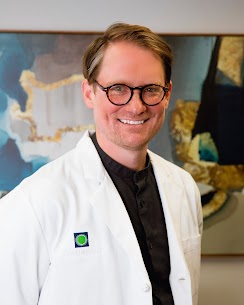
A good integrative oncology practitioner does not promise the impossible. Instead, they offer careful judgment, personalization, and follow-through. In my clinic, the best visits end with the patient holding a one-page plan that lists two or three key actions, start dates, doses if relevant, and a follow-up time. Clarity calms the nervous system.
A practical mini-checklist for treatment days
- Bring an updated medication and supplement list to every visit, including doses and brands. Confirm antiemetic timing and carry breakthrough options. Schedule hydration and light movement windows in the first 48 hours post-infusion. Use a simple food plan that hits protein targets without strong odors. Set one small recovery practice, such as 5 minutes of paced breathing, twice daily.
A brief snapshot: matching therapy to need
- Chemotherapy-induced nausea: standard antiemetics, acupuncture, ginger, P6 acupressure, hydration strategy. Radiation skin changes: gentle cleansers, fragrance-free moisturizers, evidence informed topical agents, nutrition support for protein and calories. Aromatase inhibitor joint pain: exercise therapy, omega-3s if appropriate, acupuncture, heat, graded activity. Neuropathy risk: early acupuncture, B12 testing and correction if deficient, symptom tracking, footwear and safety adaptations. Cancer-related fatigue: activity pacing, graded exercise, sleep consolidation, iron studies with correction if indicated, mood screening.
What healing feels like inside integrative oncology
Patients often describe a moment when their care becomes coherent. The antiemetic plan reduces nausea to manageable levels, acupuncture softens the edges of neuropathy, protein intake rebounds, and the nightly ritual helps them sleep. They still have cancer, but they also have agency. They can see the line between what they do each day and how they feel.
Holistic integrative oncology is a craft. It respects oncologic science while meeting the person where they live, with their preferences, their culture, and their constraints. It is a clinical approach that embraces whole person care without losing rigor. When it works well, it keeps people safer during active treatment, steadier during survivorship, and more themselves throughout.
The work requires patience. Therapies that claim to fix everything quickly usually disappoint. Small, consistent changes outperform heroic gestures. A cup of broth after infusion, a 12-minute walk on a hard day, five minutes of breathing before bed, one acupuncture session that makes eating possible the next night. These are not footnotes; they are the texture of healing.
If you are considering integrative cancer care, bring your oncologist into the conversation early. Look for an integrative oncology center willing to coordinate, to explain the evidence, and to track outcomes. Ask for an integrative oncology consultation that ends with a written plan. Expect adjustments. Expect to be heard. And expect that addressing the body, mind, and spirit together will make the path more livable, which, in the middle of everything else, is no small victory.